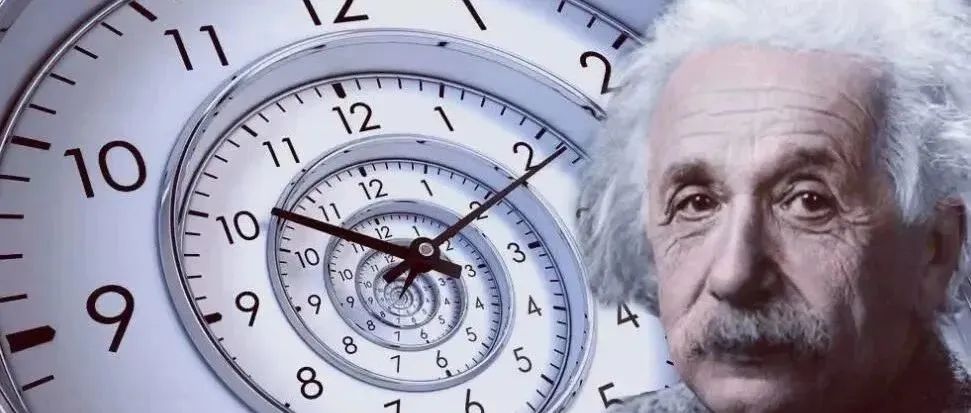
爱因斯坦堪称天才与睡眠关系的典范。他的生活习惯强有力地证明:规律的长时间睡眠对智力发展大有裨益。
科学巨人爱因斯坦,每晚雷打不动地睡足10小时,这是他保持思维巅峰的秘诀。
在这样深度“充电”后,他的一天总是节奏规律、高效运转。
坚持这样规律的作息的结果呢?——他洞穿宇宙最深奥的秘密,提出了颠覆认知的广义相对论,最终还摘得了诺贝尔物理学奖的桂冠。
他的成功轨迹清晰印证:深度睡眠如同大脑的精密校准器,让理性思维得以清晰、有力地运转,是理解复杂现实的坚实基石。
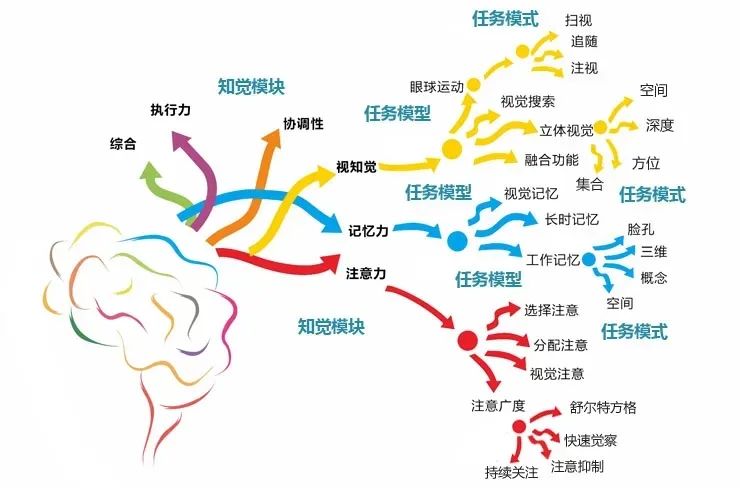
当谷爱凌提到“每天睡10小时是成功的秘密武器”时,她不仅道出了精力管理的真谛,更无意间揭示了大脑高效聚焦的核心生理基础——好睡眠。它像隐形调控器,精密调控着注意力的“开关”与“强度”,深刻影响我们捕捉信息、抵御干扰和深度思考的能力。

睡眠一旦被剥夺,大脑的注意力网络首当其冲:
-
额叶功能“罢工”:脑电研究显示,一夜睡眠剥夺后,前额叶自发脑电的复杂度显著下降。这一区域正是注意控制、决策与错误监控的中枢,其功能削弱直接导致注意力涣散、反应迟钝和错误率飙升。更值得注意的是,大脑偏侧性发生改变——注意力的控制权从左脑向右脑转移,这种失衡进一步削弱了逻辑分析能力。
-
腺苷“洪流”淹没警觉性:腺苷像“困意分子”压制神经元活动,直接削弱警觉网络功能。清醒越久,会促使腺苷在大脑中积累越多。咖啡的提神原理正是通过阻断腺苷受体“蒙骗”大脑,但这无法替代睡眠对腺苷的彻底清除。
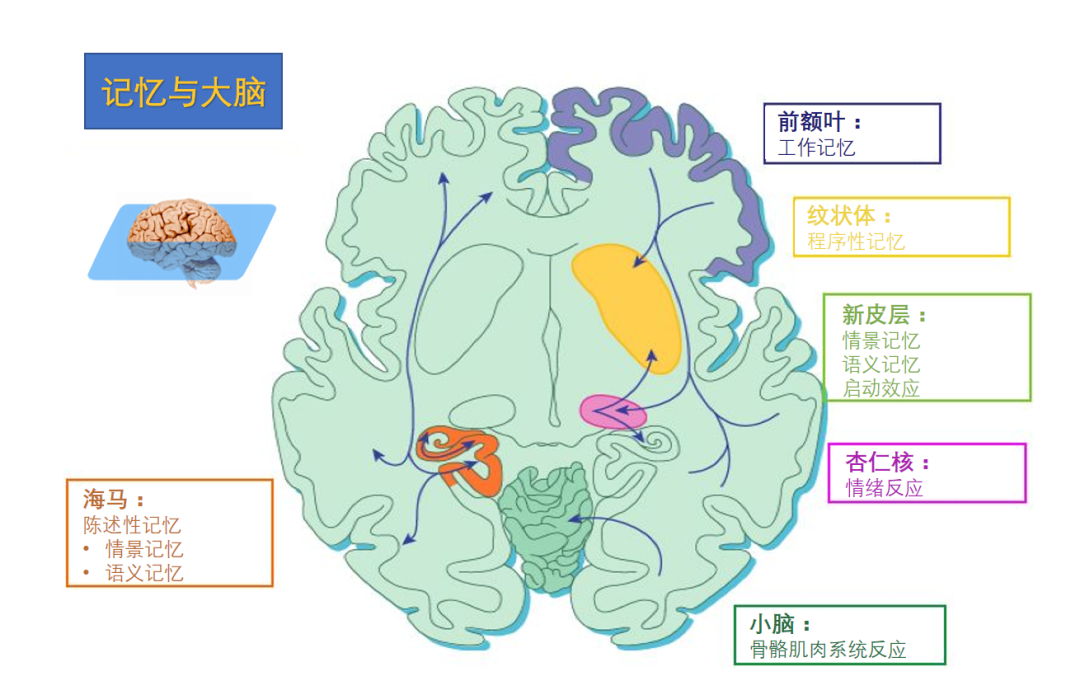
记忆力是大脑识记并在一段时间内(几天、几个月、几年)存储信息的能力。记忆并非静态的存储,而是动态的塑造过程。睡眠对于巩固新记忆至关重要,当我们入睡时,大脑正上演一场精密的信息重组大戏——睡眠是记忆的“加工厂”,昼夜节律则是它的“生产调度表”。
深睡不足=记忆仓库失控
研究证明,大脑中的海马体对新记忆最初的形成极为重要。大脑获取信息后, 海马体出现神经活动;睡眠期间,海马体神经活动的模式和顺序发生部分“回放”。这种回放能增强神经元之间的连接,巩固记忆。睡眠不足会使海马体活动减弱,这与次日回想不起新记忆有直接关系。
“孕傻”真相:新手妈妈常健忘,实则是碎片化睡眠剥夺了深度睡眠,导致海马体“爆仓”无法存储新信息——与智商无关,纯粹是睡眠债作祟
执行力,也就是解决问题的能力,它依赖于大脑高级认知功能的协调运作,而睡眠正是这些功能正常发挥的基石。睡眠不足对执行力的影响是全方位且显著的,它会严重削弱你计划、启动、组织、坚持和高效完成任务的能力。
-
“大脑指挥官”失灵: 睡眠不足最直接、最严重地影响大脑的前额叶皮层,这是执行功能的核心区域。
-
决策能力下降: 难以做出复杂决策、权衡利弊、评估风险。容易做出冲动或错误的判断。
-
计划与组织能力减弱: 难以制定有效计划、设定优先级、组织步骤、管理时间。任务显得更加混乱和难以着手。
-
注意力与专注力涣散:维持注意力变得异常困难,容易被无关刺激(声音、光线、杂念)分心。 只能关注非常有限的信息点,无法处理复杂或需要广泛注意力的任务。即使能短暂集中,也很快感到疲劳和走神,难以坚持完成需要长时间专注的任务。
-
认知灵活性与问题解决能力下降:思维僵化,难以转换思路、适应变化,。容易陷入固定思维模式。同时创造性思维受阻: 难以产生新想法、创新解决方案。面对障碍时,反应变慢,解决方案更刻板、低效,甚至可能完全无法解决。
-
启动困难与拖延加剧:缺乏动力,感觉启动任何任务都异常费力,即使知道任务很重要。内在驱动力和主动性显著降低。由于感觉任务艰巨、缺乏能量和动力,更容易将任务推迟,陷入拖延循环。开始工作前的心理障碍更大。
-
情绪调节能力减弱:难以抑制不恰当的反应或冲动。 更容易感到烦躁、焦虑、沮丧或易怒。负面情绪会进一步干扰清晰的思考和有效的行动。 面对压力或挫折时,更容易崩溃或放弃,难以保持冷静和坚持执行计划。
-
错误率增加与效率降低:由于注意力不集中和认知功能下降,在完成任务时犯各种错误的概率大大增加。 信息处理速度减慢,反应迟钝,完成同样任务需要花费更长的时间,且质量下降。感觉一直在忙,但产出甚微。
-
坚持性与毅力减弱:面对困难、枯燥或需要长时间投入的任务时,坚持到底的意愿和能力大大降低。更容易感到疲惫和挫败而中途放弃。目标感模糊, 对长期目标的清晰度和追求目标的决心可能减弱。
至此,你该认识到睡眠对我们的重要性。
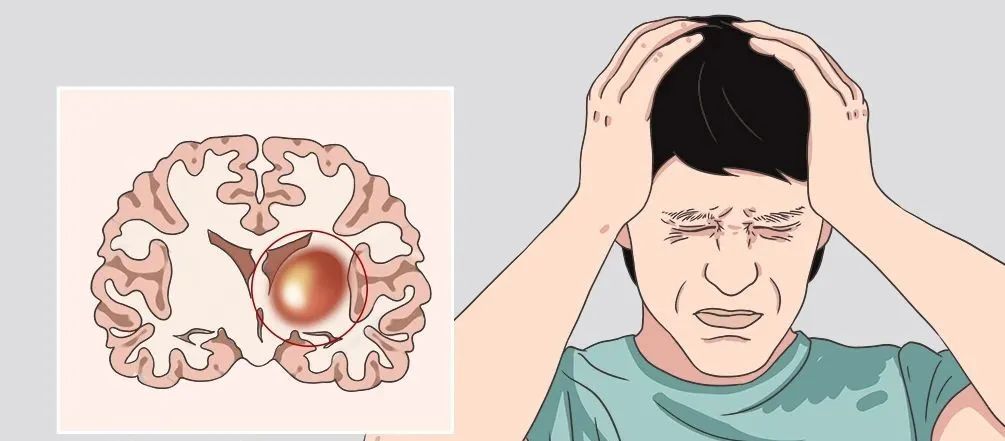
偶尔熬夜尚可补救,但长期睡眠不足、睡眠质量差将引发级联反应——突触消亡与毒素堆积。
-
每小时丢失2.2个突触
睡眠期间,神经元本应高效合成突触蛋白(尤其与学习记忆相关的种类)。熬夜缺觉时,神经元连接以每小时2.2个的速度断裂,突触是记忆传递的桥梁,其损耗直接削弱信息处理能力。尽管相关mRNA仍在生产,蛋白质翻译却被抑制——突触如同“断电的机器”,无法支撑高效信息传递,导致专注力、记忆力持续衰减。
-
大脑“垃圾”堆积成山
深度睡眠时,脑脊液冲刷清除β-淀粉样蛋白等代谢毒素。长期缺觉会阻碍该过程,加速毒素堆积。研究发现,仅6周睡眠剥夺小鼠实验即显示脑内毒素堆积增长40%,且小胶质细胞(大脑清洁工)清除效率下降——这直接关联阿尔茨海默病的风险飙升。双向恶性循环:睡眠不足 → β-淀粉样蛋白堆积 → 损害记忆中枢海马体 → 进一步扰乱睡眠 → 加速痴呆进程
长期睡不好觉:从注意力滑坡、记忆力衰退、执行力下降到最终的脑损伤
睡眠,绝非生命的暂停键,而是大脑进行最高级维护、信息整合与创造力孵化的黄金时间。它正是大自然赐予我们最易得、最有效,也最安全的顶级“健脑药”。
善待自己,睡个好觉
分享给你关心的人,愿我们今后的每一天,都能早睡、安稳、无梦。
夜夜好眠,晚安。
1. Chalmers, D.J., Facing up to the problem of consciousness. Journal of consciousness studies, 1995. 2(3): p. 200-219.
2. Doerig, A., A. Schurger, and M.H. Herzog, Hard criteria for empirical theories of consciousness. Cognitive neuroscience, 2021. 12(2): p. 41-62.
3. Dennett, D.C., Consciousness explained. 1993: Penguin uk.
4. Frankish, K., Illusionism as a Theory of Consciousness. Journal of Consciousness Studies, 2016. 23(11-12): p. 11-39.
5. Holmes, N.P. and C. Spence, The body schema and the multisensory representation(s) of peripersonal space. Cogn Process, 2004. 5(2): p. 94-105.
6. Conant, R.C. and W. Ross Ashby, Every good regulator of a system must be a model of that system. International journal of systems science, 1970. 1(2): p. 89-97.
7. Francis, B.A. and W.M. Wonham, The internal model principle of control theory. Automatica, 1976. 12(5): p. 457-465.
8. Shadmehr, R. and F.A. Mussa-Ivaldi, Adaptive representation of dynamics during learning of a motor task. J Neurosci, 1994. 14(5 Pt 2): p. 3208-24.
9. Parsons, L.M., Imagined spatial transformations of one’s hands and feet. Cogn Psychol, 1987. 19(2): p. 178-241.
10. Bonda, E., et al., Neural correlates of mental transformations of the body-in-space. Proc Natl Acad Sci U S A, 1995. 92(24): p. 11180-4.
11. Ramachandran, V.S. and D. Rogers-Ramachandran, Phantom limbs and neural plasticity. Arch Neurol, 2000. 57(3): p. 317-20.
12. Graziano, M.S. and S. Kastner, Human consciousness and its relationship to social neuroscience: A novel hypothesis. Cogn Neurosci, 2011. 2(2): p. 98-113.
13. Graziano, M.S. and S. Kastner, Awareness as a perceptual model of attention. Cogn Neurosci, 2011. 2(2): p. 125-7.
14. Graziano, M.S., Consciousness and the social brain. 2013: Oxford University Press.
15. Graziano, M.S. and T.W. Webb, The attention schema theory: a mechanistic account of subjective awareness. Front Psychol, 2015. 6: p. 500.
16. Desimone, R. and J. Duncan, Neural mechanisms of selective visual attention. Annu Rev Neurosci, 1995. 18(1): p. 193-222.
17. Beck, D.M. and S. Kastner, Top-down and bottom-up mechanisms in biasing competition in the human brain. Vision Res, 2009. 49(10): p. 1154-65.
18. Moore, T. and M. Zirnsak, Neural Mechanisms of Selective Visual Attention. Annu Rev Psychol, 2017. 68: p. 47-72.
19. James, W., et al., The principles of psychology. Vol. 1. 1890: Macmillan London.
20. Simons, D.J. and C.F. Chabris, Gorillas in our midst: Sustained inattentional blindness for dynamic events. perception, 1999. 28(9): p. 1059-1074.
21. Mack, A., Inattentional blindness: Looking without seeing. Current directions in psychological science, 2003. 12(5): p. 180-184.
22. Drew, T., M.L.-H. Võ, and J.M. Wolfe, The invisible gorilla strikes again: Sustained inattentional blindness in expert observers. Psychological science, 2013. 24(9): p. 1848-1853.
23. McCormick, P.A., Orienting attention without awareness. Journal of Experimental Psychology: Human Perception and Performance, 1997. 23(1): p. 168.
24. Kentridge, R.W., C.A. Heywood, and L. Weiskrantz, Attention without awareness in blindsight. Proceedings of the Royal Society of London. Series B: Biological Sciences, 1999. 266(1430): p. 1805-1811.
25. Lambert, A., et al., A new component of visual orienting: Implicit effects of peripheral information and subthreshold cues on covert attention. Journal of Experimental Psychology-Human Perception and Performance, 1999. 25(2): p. 321-340.
26. Kentridge, R.W., C.A. Heywood, and L. Weiskrantz, Spatial attention speeds discrimination without awareness in blindsight. Neuropsychologia, 2004. 42(6): p. 831-835.
27. Ansorge, U. and M. Heumann, Shifts of visuospatial attention to invisible (metacontrast-masked) singletons: Clues from reaction times and event-related potential. Advances in Cognitive Psychology, 2006. 2(1): p. 61.
28. Jiang, Y., et al., A gender- and sexual orientation-dependent spatial attentional effect of invisible images. Proc Natl Acad Sci U S A, 2006. 103(45): p. 17048-52.
29. Tsushima, Y., Y. Sasaki, and T. Watanabe, Greater disruption due to failure of inhibitory control on an ambiguous distractor. Science, 2006. 314(5806): p. 1786-1788.
30. Hsieh, P.-J., J.T. Colas, and N. Kanwisher, Unconscious pop-out: attentional capture by unseen feature singletons only when top-down attention is available. Psychological Science, 2011. 22(9): p. 1220.
31. Webb, T.W., H.H. Kean, and M.S. Graziano, Effects of Awareness on the Control of Attention. J Cogn Neurosci, 2016. 28(6): p. 842-51.
32. Boogaard, E.v.d., J. Treur, and M. Turpijn. A neurologically inspired network model for Graziano’s attention schema theory for consciousness. in International Work-Conference on the Interplay Between Natural and Artificial Computation. 2017. Springer.
33. Wilterson, A.I. and M.S.A. Graziano, The attention schema theory in a neural network agent: Controlling visuospatial attention using a descriptive model of attention. Proceedings of the National Academy of Sciences of the United States of America, 2021. 118(33).
34. Lin, Z. and S.O. Murray, More power to the unconscious: Conscious, but not unconscious, exogenous attention requires location variation. Psychological Science, 2015. 26(2): p. 221-230.
35. Wilterson, A.I., et al., Attention control and the attention schema theory of consciousness. Prog Neurobiol, 2020. 195: p. 101844.
36. Baron-Cohen, S., Mindblindness: An essay on autism and theory of mind. 1997: MIT press.
37. Friesen, C.K. and A. Kingstone, The eyes have it! Reflexive orienting is triggered by nonpredictive gaze. Psychonomic Bulletin & Review, 1998. 5(3): p. 490-495.
38. Puce, A., et al., Temporal cortex activation in humans viewing eye and mouth movements. J Neurosci, 1998. 18(6): p. 2188-99.
39. Calder, A.J., et al., Reading the mind from eye gaze. Neuropsychologia, 2002. 40(8): p. 1129-38.
40. Frischen, A., A.P. Bayliss, and S.P. Tipper, Gaze cueing of attention: visual attention, social cognition, and individual differences. Psychol Bull, 2007. 133(4): p. 694-724.
41. Bio, B.J. and M.S. Graziano, Using Smiles, Frowns, and Gaze to Attribute Conscious States to Others: Testing Part of the Attention Schema Theory. 2021.
42. Pesquita, A., C.S. Chapman, and J.T. Enns, Humans are sensitive to attention control when predicting others’ actions. Proceedings of the National Academy of Sciences of the United States of America, 2016. 113(31): p. 8669-8674.
43. Bio, B.J., T.W. Webb, and M.S.A. Graziano, Projecting one’s own spatial bias onto others during a theory-of-mind task. Proc Natl Acad Sci U S A, 2018. 115(7): p. E1684-E1689.
44. Guterstam, A., et al., Temporo-parietal cortex involved in modeling one’s own and others’ attention. Elife, 2021. 10: p. e63551.
45. Guterstam, A., et al., Implicit model of other people’s visual attention as an invisible, force-carrying beam projecting from the eyes. Proceedings of the National Academy of Sciences of the United States of America, 2019. 116(1): p. 328-333.
46. Guterstam, A. and M.S.A. Graziano, Implied motion as a possible mechanism for encoding other people’s attention. Prog Neurobiol, 2020. 190: p. 101797.
47. Guterstam, A. and M.S.A. Graziano, Visual motion assists in social cognition. Proc Natl Acad Sci U S A, 2020. 117(50): p. 32165-32168.
48. Guterstam, A., et al., Other people’s gaze encoded as implied motion in the human brain. Proceedings of the National Academy of Sciences of the United States of America, 2020. 117(23): p. 13162-13167.
49. Kelly, Y.T., et al., Attributing awareness to oneself and to others. Proc Natl Acad Sci U S A, 2014. 111(13): p. 5012-7.
50. Frith, U. and C.D. Frith, Development and neurophysiology of mentalizing. Philos Trans R Soc Lond B Biol Sci, 2003. 358(1431): p. 459-73.
51. Saxe, R. and N. Kanwisher, People thinking about thinking people – The role of the temporo-parietal junction in “theory of mind”. Neuroimage, 2003. 19(4): p. 1835-1842.
52. Gobbini, M.I., et al., Two takes on the social brain: a comparison of theory of mind tasks. J Cogn Neurosci, 2007. 19(11): p. 1803-14.
53. van Veluw, S.J. and S.A. Chance, Differentiating between self and others: an ALE meta-analysis of fMRI studies of self-recognition and theory of mind. Brain imaging and behavior, 2014. 8(1): p. 24-38.
54. Richardson, H., et al., Development of the social brain from age three to twelve years. Nat Commun, 2018. 9(1): p. 1027.
55. Stevens, A.A., et al., Event-related fMRI of auditory and visual oddball tasks. Magn Reson Imaging, 2000. 18(5): p. 495-502.
56. Serences, J.T., et al., Coordination of voluntary and stimulus-driven attentional control in human cortex. Psychol Sci, 2005. 16(2): p. 114-22.
57. Corbetta, M., G. Patel, and G.L. Shulman, The reorienting system of the human brain: from environment to theory of mind. Neuron, 2008. 58(3): p. 306-24.
58. Webb, T.W., et al., Cortical networks involved in visual awareness independent of visual attention. Proc Natl Acad Sci U S A, 2016. 113(48): p. 13923-13928.
59. Wilterson, A.I., et al., Attention, awareness, and the right temporoparietal junction. Proc Natl Acad Sci U S A, 2021. 118(25).
60. Marshall, J.C. and P.W. Halligan, Blindsight and insight in visuo-spatial neglect. Nature, 1988. 336(6201): p. 766-7.
61. Rees, G., et al., Unconscious activation of visual cortex in the damaged right hemisphere of a parietal patient with extinction. Brain, 2000. 123 ( Pt 8)(8): p. 1624-33.
62. Vuilleumier, P., et al., Neural response to emotional faces with and without awareness: event-related fMRI in a parietal patient with visual extinction and spatial neglect. Neuropsychologia, 2002. 40(12): p. 2156-2166.
63. Barlow Jr, R.B. and A.J. Fraioli, Inhibition in the Limulus lateral eye in situ. The Journal of general physiology, 1978. 71(6): p. 699-720.
64. Maximino, C., Evolutionary changes in the complexity of the tectum of nontetrapods: a cladistic approach. PLoS One, 2008. 3(10): p. e3582.
65. Knudsen, E. and J. Schwarz, The optic tectum: a structure evolved for stimulus selection. 2017.
66. Medina, L. and A. Reiner, Do birds possess homologues of mammalian primary visual, somatosensory and motor cortices? Trends in neurosciences, 2000. 23(1): p. 1-12.
67. Kemp, T.S., The origin and evolution of mammals. 2005: Oxford University Press on Demand.
68. Wimmer, H. and J. Perner, Beliefs about beliefs: Representation and constraining function of wrong beliefs in young children’s understanding of deception. Cognition, 1983. 13(1): p. 103-128.
69. Perrett, D.I., et al., Visual cells in the temporal cortex sensitive to face view and gaze direction. Proc R Soc Lond B Biol Sci, 1985. 223(1232): p. 293-317.
70. Horowitz, A., Attention to attention in domestic dog (Canis familiaris) dyadic play. Anim Cogn, 2009. 12(1): p. 107-18.
71. Krupenye, C., et al., Great apes anticipate that other individuals will act according to false beliefs. Science, 2016. 354(6308): p. 110-114.
72. Wellman, H.M., Theory of mind: The state of the art. European Journal of Developmental Psychology, 2018. 15(6): p. 728-755.
73. Clayton, N.S., Ways of thinking: from crows to children and back again. Q J Exp Psychol (Hove), 2015. 68(2): p. 209-41.
编辑 |Riva
部分图文字来源于网络,本文仅用于分享。若有侵权,请私信联系删除或修改!